What is Content Type?

Updated: May 25
![what is content-type - [content what does it mean] - [content-type types]](https://static.wixstatic.com/media/9417b1_4695e310a46945d18d08bb5ac71084b7~mv2.jpg/v1/fill/w_640,h_427,al_c,q_80,enc_avif,quality_auto/9417b1_4695e310a46945d18d08bb5ac71084b7~mv2.jpg)
What is Content Type?:
Content type is any type of information used to communicate a message, such as words or text-based, images, videos, or audio. It can be used for marketing purposes to inform readers, engage, or entertain.
To give you more information, let's go deeper. Also, don't forget to read the FAQs at the end.
Do you know? - “Educational content was the #1 content type all generations want to see from brands.” – Sprout Social
Content: What does it mean?:
Content refers to any information, such as articles, videos, images, or posts, created and shared online to inform, entertain, or engage an audience.
Different Content-Types:
Many different types of content can be used, including:
Written content includes blog posts, articles, reports, and other text-based pieces.
Visual content includes images, infographics, illustrations, and other graphics.
Video content can include live streaming, tutorials, and even entire movies.
Audio content might be podcasts, sound design files, or music.
Content can also be classified by its purpose:
Marketing content is usually created to promote a product or service, while educational content is created to help readers learn about a topic.
Entertainment content is usually designed to help readers relax and have fun.
Best Performing Content Formats:
Short-form videos and images are the best-performing content formats.
Content Types to Focus On:

No matter what type and format of content you use, it’s important to ensure that it is well-written, clear, and engaging. It should also be relevant to your audience and in line with your brand’s overall mission and values.
“Video, infographics, and other non-text-only content types have always been great for engaging and educating an audience. But now they’re also ranking factors that help your brand show up on the most trafficked platforms.” – WordStream
What is Content in Advertising?
Content in advertising is all about creating an engaging and informative message that promotes a product, service, or brand.
It’s the text, images, videos, and other forms of media that you use to communicate with your target audience. It should also be concise and to the point.
You don’t want to overwhelm your audience with too much information; instead, you want to provide them with just enough information to pique their interest and encourage them to take action. This is where copywriting comes in.
Is Content and Context the same?:
Content and context are not the same.
Content refers to the actual information or material presented, while context refers to the circumstances or information that surround a particular event or situation, providing a deeper understanding of the content.
Content is often thought of as the "what" while context is considered the "why." Context helps to explain why a certain piece of content was created and how it should be interpreted or understood.
It also helps to shape a reader's perception of the content, as different contexts can lead to different interpretations. All in all, content and context are two distinct concepts that are often intertwined.
What Types of Product Content Do Consumers Regularly Check?:

In conclusion, understanding different content types is essential for creating engaging and effective digital marketing strategies.
By leveraging various content formats, businesses can effectively reach and resonate with their target audience, ultimately driving better results and achieving their marketing goals.
Here's related information that you may find helpful – Is Content Creation Profitable?
FAQs:
Why are Content Types Important for SEO?:
Content types help search engines understand and categorize your content better, improve user experience (UX), increase engagement, and allow you to target different search intents, ultimately boosting your SEO performance.
“More than half of AI citations come from three content types: listicles, articles, and product pages” – Wix
What are the Most Common Content Types?:
The most common content types include blog posts, videos, infographics, podcasts, case studies, ebooks, social media posts, webinars, and white papers, each serving different audience needs and preferences.
How do I Choose the Right Content Type for My Audience?:
Choosing the right content type is based on your audience's preferences, the complexity of your message, available resources, platform requirements, and your marketing goals. Analyze engagement metrics to see what resonates best with your audience.
Most Effective Types of Content:
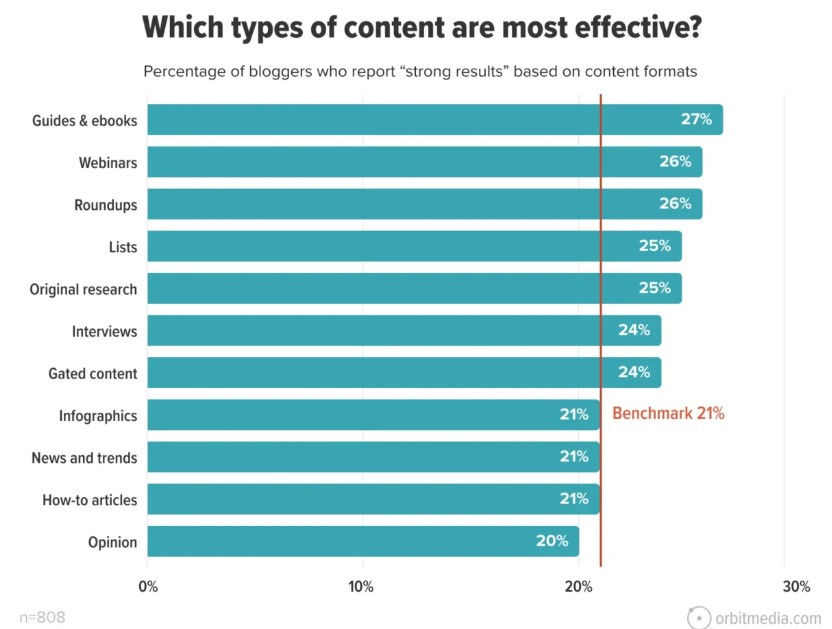
Can I Use Multiple Content Types in One Strategy?:
Yes, using multiple content types in a diversified content strategy is highly recommended. It helps reach different audience segments, caters to various learning styles, and maximizes your content's reach across different platforms.
Here's related information that you may also find helpful – How to Humanize AI Content?
P.S: Ready to [unlock the power of digital marketing] and drive [your] business forward? – Access my forum today
P.S.S: Please don’t forget to forward this blog post to your network so they can get the best tips, practices, strategies, education, resources, and tools to help their businesses grow [sharing is caring].
Comments