Content Quality Metrics

Updated: May 22
![content quality metrics - [content marketing metrics]](https://static.wixstatic.com/media/9417b1_e15a7066eca148c7956e6c6e91de18b6~mv2.jpg/v1/fill/w_640,h_427,al_c,q_80,enc_avif,quality_auto/9417b1_e15a7066eca148c7956e6c6e91de18b6~mv2.jpg)
Content Quality Metrics:
Creating content is easy, but creating content that actually works is the challenge. Content quality metrics help you move beyond gut feelings and vanity metrics to understand what truly resonates with your audience.
Content quality metrics are measures used to assess the quality of the content you are producing. These metrics change depending on the platform or channel you use to post or publish the content.
By tracking the right indicators, you can optimize your content strategy, improve engagement, and demonstrate real ROI to stakeholders. To give you more information, let's go deeper. Also, don't forget to read the FAQs at the end.
Do you know? - “The future of content is largely centered around returning to tried-and-true best practices, with a renewed focus on content quality and increasing productivity and efficiency within workflows through AI” – Conductor
How to Measure Content Quality?:
1. Readability:
Readability is the ability of a reader to understand the content quickly and easily. This means that the content should be free from jargon and unnecessary technical language.
Additionally, shorter sentences and paragraphs can help make the content easier to understand.
2. Accuracy:
Accuracy is key to content quality. It’s important to do your research and double-check facts and figures when writing content.
3. Clarity:
Clarity is how well the message or idea is communicated. If the content is unclear or not concise, readers may become confused or frustrated.
4. Relevance:
Relevance refers to how well the content relates to the topic at hand. Content should be focused on a specific topic or idea and should not drift away from the subject.
5. Originality:
Originality means how unique the content is and whether it provides new insights or perspectives.
6. Actionability:
Actionability is how well the content offers practical advice, recommendations, or any next steps that the user can take.
7. Accessibility:
Accessibility means how well the content is designed and formatted to be accessible to all types of users, including those with disabilities.
8. Engagement:
Engagement is a vitally important metric when it comes to assessing content quality. The more engaging a piece of content is, the more likely readers are to stay on the page and interact with the content.
This could include adding visuals and subheadings, breaking up paragraphs and videos, and also using storytelling techniques, as the case may be.
Remember - “Posting and promoting everywhere drives more visibility and engagement, but also the metrics across the platforms give you a much richer picture into content performance” - Orbit Media Studios
Challenges for Measuring Content Effectiveness or Performance and ROI:
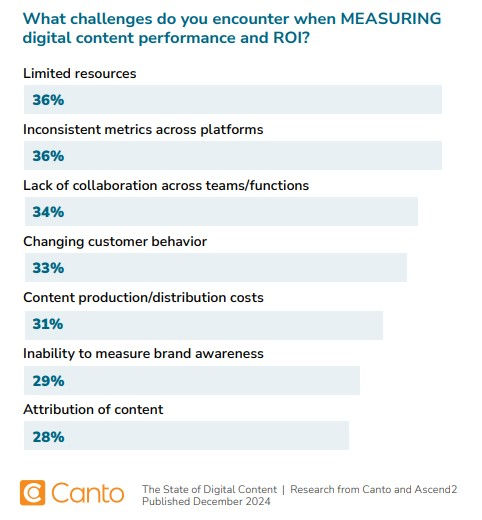
Depending on the platform or channel the content is published on, engagement with the content may take the form of likes, shares, comments, page views, reblogs, retweets, reposts, content mentions, or dwell time.
Content Quality Metrics:
![content quality metrics - [measure and improve content quality]](https://static.wixstatic.com/media/9417b1_2e68515e16e649dba4bc59530b319b5a~mv2.jpg/v1/fill/w_605,h_694,al_c,q_85,enc_avif,quality_auto/9417b1_2e68515e16e649dba4bc59530b319b5a~mv2.jpg)
In conclusion, tracking content quality metrics isn't just about collecting data; it's about making smarter decisions that drive real results.
Start by focusing on a few key metrics aligned with your goals, measure consistently, and use those insights to refine your content strategy.
When you let data guide your creative process, you'll create content that not only engages your audience but also delivers measurable business value.
Here's related information that you may also find helpful – Is it Hard to be a Content Creator?
FAQs:
Which Content Quality Metrics Matter Most?:
The most important metrics include engagement rate, time on page, bounce rate, conversion rate (CR), organic traffic, backlinks, and social shares. Focus on metrics that align with your specific content goals and business objectives.
How Do You Measure Content Quality?:
Measure content quality using analytics tools like Google Analytics (GA4), Semrush, or Ahrefs to track user behavior, engagement, SEO performance, and conversions. Combine quantitative data with qualitative feedback for comprehensive insights.
“while you should absolutely prioritize content quality, you should also give your content the best chance to be discovered and cited by AI tools by making each section capable of standing on its own.” – Semrush
What's the difference between Vanity Metrics and Quality Metrics?:
Vanity metrics (like page views or follower counts) look impressive but don't indicate real value. Quality metrics measure meaningful actions like conversions, engagement depth, and revenue impact that directly tie to business goals.
How Often Should You Review Content Quality Metrics?:
Review key metrics weekly for active campaigns and monthly for overall content performance. Conduct quarterly deep-dive analyses to identify trends, adjust strategy, and optimize underperforming content.
Here's related information that you may also find helpful – Content Marketing vs Content Strategy
P.S: Ready to [unlock the power of digital marketing] and drive [your] business forward? – Access my forum today
P.S.S: Please don’t forget to forward this blog post to your network so they can get the best tips, practices, strategies, education, resources, and tools to help their businesses grow [sharing is caring].
Comments