What is Multi-Channel Marketing? - [Engagement Booster]

Updated: Apr 3
![What is multi-channel marketing - [multi-channel marketing strategy]](https://static.wixstatic.com/media/9417b1_046bc4a3b422492d9c6a71b712e33326~mv2.jpg/v1/fill/w_640,h_427,al_c,q_80,enc_avif,quality_auto/9417b1_046bc4a3b422492d9c6a71b712e33326~mv2.jpg)
Define Multi-Channel Marketing:
Multi-channel marketing is a type of marketing strategy that involves reaching out to potential customers through various channels simultaneously.
The idea behind this approach is to create a cohesive and consistent message across multiple platforms, which will increase the chances of the target audience engaging with the brand or business.
To give you more information, let's go deeper. Also, don't forget to read the FAQs at the end.
Do you know? - “A multi-channel strategy is key in today's programmatic landscape because consumers are active across various channels and devices” – StackAdapt
Multi-Channel Marketing:
The most common channels used in multi-channel marketing include social media, email marketing, website (SEO), paid advertising, and direct mail.
Each channel has its own unique strengths and weaknesses, and it's important to choose the marketing channels that are most effective for your target audience.
“30% of respondents consider their multi-channel marketing strategy to be very successful (best-in-class) in achieving strategic marketing objectives” - Ascend2 Multi-Channel Marketing Trends 2024 Report
One of the main benefits of multi-channel marketing is that it allows brands or businesses to reach a wider audience.
For example, if a brand or business only uses social media, it may miss out on potential customers who prefer email or those who come from search engines.
By using multiple channels, brands or businesses can ensure that they are reaching as many people as possible.
"More the eyeballs, the greater the engagement that ultimately results in driving revenue. This is why multi channel marketing is important"
Another benefit of multi-channel marketing is that it allows brands or businesses to create a more personalized experience for their customers.
By using data from various channels, brands or businesses can tailor their messaging to each customer, making them feel more valued and increasing the likelihood of repeat business.
“With Google at 41.91% share, the search ecosystem is fragmenting across AI assistants, privacy-focused alternatives, and specialized platforms, requiring multi-channel optimization strategies” – Ahrefs
However, multi-channel marketing can also be challenging, as it requires a significant investment of time and resources. [Here are the challenges faced by marketing managers].
Brands or businesses must be prepared to create unique content for each channel, monitor multiple platforms simultaneously, and analyze data from each channel to determine what is working and what needs improvement.
“Being findable is being credible. Multi-channel discovery ensures that wherever buyers turn, your brand is part of the conversation.” - Answer Engine: The State of B2B Thought Leadership in 2026 Report by TopRank Marketing and Ascend2
Effectiveness of Marketing Channels and Strategies:
The top marketing channels by effectiveness are email marketing, paid ads (social media and PPC), and organic search.
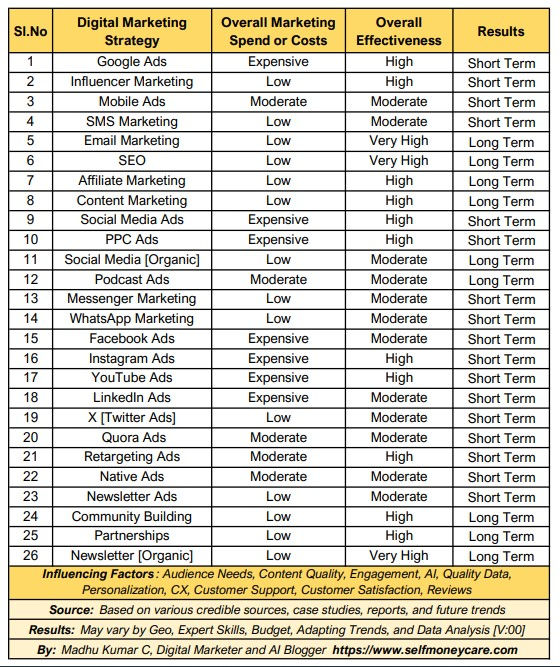
In conclusion, multi-channel marketing is an effective way or strategy for brands or businesses to reach a larger audience and create a more personalized experience for their customers.
While it can be seriously challenging, the benefits outweigh the costs for brands or businesses that are committed to creating a strong and cohesive message across multiple platforms.
Here's related information that you may find helpful – Ethical Challenges in Marketing
FAQs:
Multi-Channel Strategy:
A multi-channel strategy in marketing refers to the approach of utilizing multiple channels or platforms to reach and engage with your target audience.
In today's digital age, consumers are no longer confined to a single channel for information and interaction.
They are constantly switching between various devices, platforms, and channels, such as social media, search engines, email, websites, and mobile apps. It is where such a strategy arises.
The goal of a multi-channel strategy is to ensure that your brand or business is present and accessible across all the channels where your target audience is active and engaged.
By doing so, you increase your chances of reaching potential customers at different touchpoints throughout their customer journey.
Multi-Channel Engagement:
Multi-channel engagement in marketing means using various communication channels (e.g., email, social media, website, mobile apps) to interact with customers. It offers a wider reach, personalized experiences, and better data insights.
Multi-Channel vs Omnichannel Marketing:
![multi channel marketing vs omnichannel - [omnichannel vs multichannel marketing]](https://static.wixstatic.com/media/9417b1_af2deb0070b0402796132836880ab156~mv2.jpg/v1/fill/w_980,h_775,al_c,q_85,usm_0.66_1.00_0.01,enc_avif,quality_auto/9417b1_af2deb0070b0402796132836880ab156~mv2.jpg)
Multi-Channel Marketing Benefits:
The multi-channel marketing benefits are as follows:
Wider reach: Connect with customers across multiple platforms.
Increased touchpoints: More opportunities to engage and convert.
Better customer experience (CX): Meet customers where they prefer.
Higher conversion rates (CR): Multiple exposures reinforce the message.
Reduced risk: Not dependent on single-channel performance.
Improved data insights: Understand customer behavior across platforms.
Stronger brand presence: Consistent visibility everywhere.
Flexibility: Adapt strategy based on channel performance.
Multichannel Mobile Engagement:
Multichannel mobile engagement means reaching users across multiple channels (push notifications, SMS, in-app messages, email, social media) through their mobile devices to create a cohesive, personalized experience that drives interaction and retention.
Multi-Channel Digital Marketing Strategy:
A multi-channel digital marketing strategy involves promoting your brand across multiple online platforms (social media, email, search engines, websites, display ads) simultaneously to reach customers wherever they are and create consistent, integrated touchpoints that drive conversions.
Multi-Channel Content Marketing:
Multi-channel content marketing is distributing and promoting your content across multiple platforms (blog, social media, email, video, podcasts, etc.) to reach your audience where they prefer to consume content and maximize engagement and reach.
“Effective multi-channel distribution improves lead quality, conversion rates, and revenue attribution by ensuring prospects encounter your brand repeatedly across the platforms they trust.” – HubSpot
Types of Multi-Channel Marketing:
Here are the types of multi-channel marketing:
Omnichannel: Seamless, integrated experience across all platforms.
Cross-channel: Coordinated campaigns that work together.
Multichannel: Independent presence on multiple channels.
Single-channel: Focus on one primary platform.
Common multiple marketing channels are email, social media, SEO/SEM, display ads, mobile apps, SMS, and offline. The emerging marketing channel is AI search tools and platforms, leading to brand mentions in AI search results, making AI SEO crucial.
Here's related information that you may also find helpful – What are Brand Mentions?
P.S: Ready to [unlock the power of digital marketing] and drive [your] business forward? – Access my forum today
P.S.S: Please don’t forget to forward this blog post to your network so they can get the best tips, practices, strategies, education, resources, and tools to help their businesses grow [sharing is caring].
Comments